Shoestring Meal Planning: Smart AI Budget Recipes
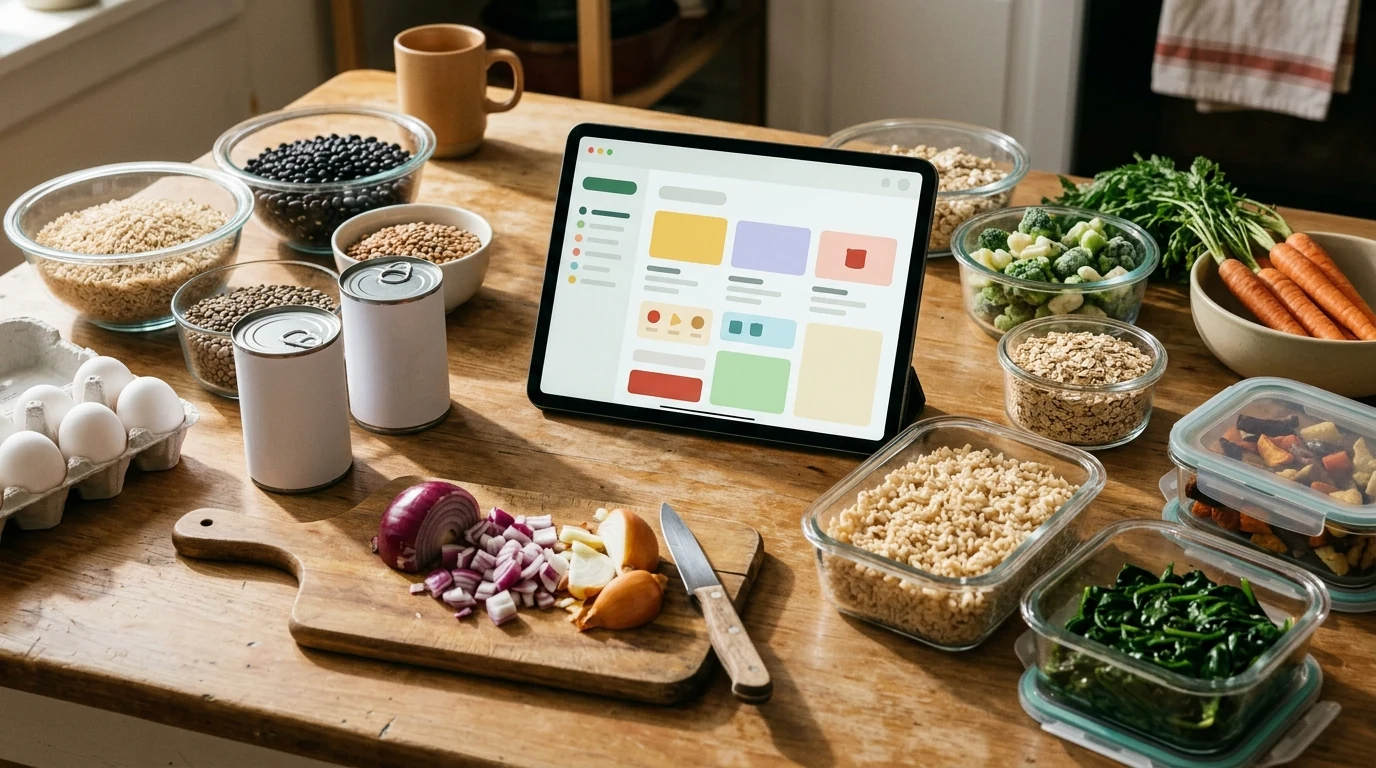
Stretching grocery money gets easier when meals are planned around what’s already on hand, what’s in season, and what can be repurposed into multiple dishes. A practical meal-planning system can reduce food waste, cut last-minute takeout, and make weeknights simpler—without sacrificing variety. This guide breaks down a budget-first workflow and shows how a digital kitchen guide with AI-driven recipe suggestions can speed up decisions and keep costs predictable.
What “smart” shoestring cooking looks like in real life
“Smart” budget cooking isn’t about eating the same meal every day. It’s about building a small, flexible system so you can mix and match what you already own, what’s on sale, and what’s quick to cook.
- Build meals from a small set of flexible ingredients: eggs, oats, rice, beans, frozen vegetables, canned tomatoes, and in-season produce.
- Cook once, eat twice: plan at least two “bridge” components (roasted vegetables, shredded chicken, cooked grains, lentils) that show up in multiple meals.
- Use flavor templates instead of strict recipes (taco bowl, stir-fry, soup, pasta skillet) so substitutions don’t break the plan.
- Prioritize low-cost proteins per serving (beans, lentils, eggs, canned fish, chicken thighs) and use meat as an accent when needed.
- Choose 1–2 low-effort breakfasts and lunches to prevent weekday spending leaks.
For balanced plates without overcomplicating it, simple visual frameworks like USDA MyPlate can help you keep meals satisfying while staying cost-aware.
A simple weekly workflow: plan, shop, prep, pivot
A budget-friendly meal plan works best when it’s repeatable. This weekly rhythm keeps you from overbuying, under-prepping, or getting stuck midweek with nothing that makes sense together.
Step 1: Pantry and freezer check (10 minutes)
List what must be used soon (half a bag of spinach, limp carrots, leftover rice) and what staples are running low (oil, oats, beans). This is the quickest way to prevent wasted produce and duplicate purchases.
Step 2: Pick 3–4 dinners + 1 flexible “backup” meal
Choose dinners that overlap ingredients. Add one backup meal for busy nights—omelets, fried rice, or bean chili—so you don’t default to delivery when the schedule changes.
Step 3: Make a price-aware shopping list
Separate items into “must-have,” “nice-to-have,” and “if on sale.” The goal is to protect essentials while giving yourself permission to skip extras if prices are high.
Step 4: Batch prep only what saves time
Think small: wash greens, chop onions, cook one grain, mix one sauce. Over-prepping can backfire if plans change, so focus on prep that stays useful in multiple meals.
Step 5: Midweek pivot
Swap meals based on leftover volume and produce ripeness. If you’re unsure about safe storage times, the USDA FoodKeeper App is a reliable reference for how long foods keep in the fridge or freezer.
Using AI suggestions for budget-friendly recipes (without losing control of costs)
AI recipe ideas are most helpful when you treat them like a fast brainstorming partner—not a rulebook. The best results come from giving clear limits, then picking the cheapest option that fits your week.
- Start with constraints: set a max cost per serving, list 5–10 ingredients already available, and define time limits (15/30/45 minutes).
- Ask for “template” meals that tolerate substitutions (sheet-pan meals, soups, stir-fries, pasta bakes, grain bowls).
- Request multiple variations from the same base (lentil soup → curry lentils → lentil sloppy joes) to keep shopping tight.
- Include dietary needs and equipment available (stovetop only, slow cooker, air fryer) to avoid unrealistic suggestions.
- Always sanity-check: compare suggested add-ons against the weekly budget and replace expensive items with frozen, canned, or store-brand alternatives.
Budget meal plan example: 5 dinners from overlapping ingredients
5-Dinner Mix-and-Match Plan (swap ingredients based on sales)
| Dinner | Core ingredients | Budget swap ideas | Leftover use |
|---|---|---|---|
| Bean & tomato chili | canned beans, canned tomatoes, onion, spices | use frozen peppers; add lentils to stretch | topping for rice, baked potatoes, nachos |
| Vegetable fried rice | cooked rice, frozen veg, eggs, soy sauce | use leftover vegetables; swap eggs for tofu | pack as next-day lunch |
| Pasta with quick red sauce | pasta, canned tomatoes, onion/garlic | add frozen spinach; use store-brand cheese | turn into baked pasta with leftovers |
| Sheet-pan roasted veggies + protein | seasonal veg, chicken thighs/tofu, spices | use sausage on sale; go all-veg + beans | use in wraps or grain bowls |
| Breakfast-for-dinner omelets | eggs, onion, any leftover veg | add beans for protein; serve with toast | use scraps to clean out fridge |
What’s included in the digital kitchen guide
For anyone who wants the workflow in one place, the Smart Cooking on a Shoestring digital meal planning guide is designed as a quick-reference kitchen companion—especially helpful when you’re planning fast or standing in the grocery aisle doing mental math.
Getting the most value: set up your “baseline pantry” and cost guardrails
Small add-ons that support the routine
- Adidas Men’s Suede Sneakers for everyday errands and store runs.
- Calvin Klein Men’s Black Printed Shoulder Bag to keep your list, receipts, and essentials together while shopping.
FAQ
Is this eBook suitable for beginners who don’t cook often?
Yes. It’s built around a simple, repeatable workflow with flexible meal templates, substitution-friendly ideas, and an easy shopping-list structure, including low-effort options for busy weeknights.
How do AI recipe suggestions stay budget-friendly?
They stay affordable when you set clear constraints like max cost per serving, ingredients you already have, and a realistic time limit, then choose template-style meals that allow easy swaps. Pricey add-ons can be replaced with frozen, canned, or store-brand alternatives.
What do you need to use the digital download?
Just a phone, tablet, or computer to open the file. Printing is optional, and many people keep it handy digitally while planning meals and shopping.










Leave a comment